
For more than 15 years, Faribault Foods and Value-Added Food Sales have worked together to help food banks deliver affordable, nutritious food to families across the country. Along the way, both organizations have learned something important: hunger relief is not simply about distributing food. It’s about ensuring people have access to products they recognize, trust, and feel good about bringing home to their families.
Hunger Doesn’t Always Look the Way People Expect
When people picture someone using a food bank, they often have a specific image in their mind. For Abby Mundt, Sales Manager at Faribault Foods, that image is often incomplete.
“I think years ago there were people who assumed food assistance was only for certain types of people,” Abby said. “But it’s not. It’s people like us. People who are working hard, doing everything they can, and something happens.”
An unexpected medical bill. A job loss. Higher grocery costs. A family emergency. Food insecurity can affect people from all walks of life, often with little warning.
“Our neighbors could need it at any given time,” Abby added.
That perspective shapes the way Faribault Foods approaches its purpose: creating food for every table. While simple on the surface, that purpose carries significant meaning in today’s hunger relief landscape. It recognizes that access to food is not a challenge faced by a small segment of society. It’s a community issue. One that requires manufacturers, food banks, distributors, and local organizations to work together.
More Than 130 Years of Feeding Communities
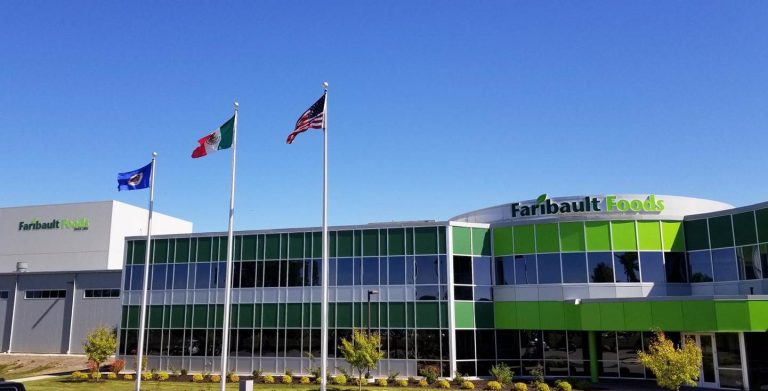
Founded in 1895 in Faribault, MN, Faribault Foods has spent more than a century producing products that appear on grocery store shelves across North America.
Today, the company manufactures a wide range of products, including:
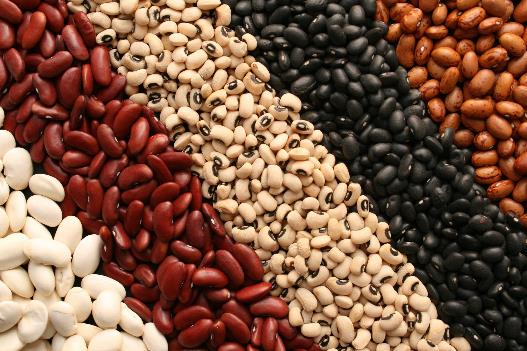
- Beans
- Refried beans
- Baked beans
- Pasta and sauce
- Soups
- Chili
- Organic food products
- Private-label grocery items
What many people don’t realize is that Faribault Foods is also behind many products they already know and purchase regularly. As a major private-label manufacturer, Faribault Foods produces products sold under some of the largest grocery retailers’ brands in the country. That experience gives the company a unique perspective on hunger relief.
“We understand that providing food isn’t just about filling a need,” Abby explained. “It’s about offering products that people recognize, enjoy, and feel good about serving their families.”
That philosophy has become increasingly important as food banks focus not only on food access, but also on dignity, choice, and the overall experience of the people they serve.
What Manufacturers Contribute That Most People Never See
One of the biggest misconceptions about food donations is the assumption that manufacturers only donate products they cannot sell. According to Abby, reality is far more nuanced. Sometimes products are donated because production runs create additional inventory, and sometimes perfectly good first-run products are donated because a company wants to support its community.
“People often assume a donation is just product we’re trying to get rid of,” Abby said. “That’s not the case.”
For manufacturers, hunger relief represents an opportunity to ensure safe, quality food reaches people who need it rather than becoming waste. That commitment has become a significant part of Faribault Foods’ community impact efforts. Over the past 18 months alone, the company has donated more than 800,000 pounds of canned goods to local food shelves and hunger relief organizations, but the story becomes even more meaningful when viewed through the lens of one local partnership.
What “Food for Every Table” Looks Like in Practice
For the past 12 years, Faribault Foods has partnered with Channel One Regional Food Bank in southeastern Minnesota. Together, they have transformed surplus inventory and product donations into meals for families throughout the region. According to Christopher Zoellner, Food Sourcing Manager at Channel One Regional Food Bank, Faribault Foods has donated more than 1.1 million pounds of food since 2014, helping provide approximately 925,000 meals across Channel One’s service area.
“Faribault Foods has been a dedicated partner and donor to Channel One Food Bank since 2014,” Zoellner said. “Food donations from manufacturers and distributors are extremely valuable to Channel One, and Faribault Foods is no exception.”
For Zoellner, the impact extends far beyond simply receiving food. “Being able to receive shelf-stable, high-protein foods donated from a local partner who is also invested in our mission means that any family or individual seeking food assistance across our 14-county region has access to and freedom to choose the food their family needs.”
That phrase stands out: freedom to choose. In hunger relief, success is often measured in pounds distributed or meals provided. Those metrics matter, but choice matters too. When families can select foods they recognize and will actually use, the experience begins to feel less like receiving assistance and more like making everyday decisions for their households.
According to Zoellner, the impact reaches well beyond Faribault’s hometown. “Not only is this food serving the Faribault community, but the 13 other communities that Channel One works with to fight food insecurity.”
It’s a powerful example of how local partnerships create regional impact.
Why Recognition Matters
During our conversation with Abby, one theme surfaced repeatedly: people deserve dignity. That belief influences how Faribault Foods thinks about the products it brings into the hunger relief network.
“I think it’s nice when someone can go into a food bank and see something recognizable and be able to have it in their cupboard at home,” Abby said. “It feels more like they’ve been to the grocery store and not the food shelf.”
The people using food banks are consumers, too. They have their favorite products, preferred brands, family recipes, dietary restrictions, cultural traditions, and families they care deeply about feeding. Providing recognizable products helps preserve a sense of normalcy during difficult circumstances. It’s a subtle but important distinction. The goal isn’t simply to provide food, it’s to help people maintain dignity while doing so.
The Future of Hunger Relief Is Listening
As food banks continue evolving, manufacturers are paying closer attention to what communities actually want and need. Abby believes one of the most important shifts happening in hunger relief today is the focus on balancing nutrition, affordability, and consumer preference.
“I think we’re seeing more focus on nutritional value, not just quantity,” she said.
For example, products like no-salt-added beans continue to see growing demand, reflecting broader conversations around health and nutrition, but Abby believes another trend deserves equal attention: listening.
“I think we need to pay more attention to what the people using food banks actually want,” she said.
That means understanding cultural preferences, household needs, regional differences, and the products families are most likely to use. The more manufacturers, suppliers, and food banks collaborate around those conversations, the more effective hunger relief becomes.
Expanding Choice Through Cultural Relevance
One development Abby is particularly excited about involves the recent merger of Faribault Foods and Vilore Foods, a leading U.S. importer and distributor of authentic Hispanic food and beverage brands, to new parent company La Costeña USA. Historically, Faribault Foods has been known for categories such as beans, chili, soup, pasta, and vegetables. Vilore Foods brings a different but complementary portfolio, including Hispanic foods, beverages, peppers, sauces, snacks, and culturally relevant products. Together, those capabilities create opportunities to better reflect the communities food banks serve. Rather than assuming what those communities need, Abby sees an opportunity to ask questions and listen.
“Bringing Faribault Foods and Vilore Foods together gives us a much broader mix of products and categories to think about,” she explained.
For food banks serving increasingly diverse populations, culturally relevant food options can play an important role in both utilization and dignity. Families should be able to access foods that reflect their traditions, preferences, and everyday lives. This next chapter could help make that possible.
Fifteen Years of Growing Together
The relationship between Faribault Foods and VAFS stretches back more than 15 years. During that time, both organizations have experienced tremendous growth. Abby remembers working with VAFS when the organization was much smaller and still building what would eventually become its national footprint. Today, she views VAFS as one of Faribault Foods’ most important partners within the hunger relief sector. What stands out most is a shared willingness to innovate. From expanding the Mixing Center model to exploring new products, solving inventory challenges, and identifying opportunities to better serve food banks, the partnership has always focused on improvement.
“There’s lots of conversations, lots of back and forth,” Abby said. “It’s a good relationship with open communication.”
That willingness to collaborate has helped both organizations adapt as hunger relief continues to change.
Preparing for What’s Next
If there was one message Abby returned to throughout our conversation, it was this: the need is not going away. Forecasting helps, planning helps, strong partnerships help, but hunger relief will always require flexibility because no one can predict what tomorrow may bring.
“We could wake up tomorrow and be back in a storm of tremendous need that we weren’t prepared for,” Abby said.
That’s why manufacturers, food banks, and distributors must continue working together to stay ready for the unexpected. Regardless of economic conditions, disasters, or shifting demand, one reality remains unchanged: people need food. Organizations like Faribault Foods remain committed to ensuring it reaches every table.
About Faribault Foods
Founded in 1895 and headquartered in Faribault, Minnesota, Faribault Foods is a leading manufacturer of beans, pasta, soups, chili, and private-label food products. As part of La Costeña USA, the company combines more than 130 years of manufacturing expertise with a commitment to innovation, sustainability, food safety, and community impact. Guided by its purpose of Creating Food for Every Table, Faribault Foods serves retail, private-label, and hunger relief partners across North America.
Learn more at www.faribaultfoods.com

Partner With Us
Strong hunger relief systems require strong partnerships across the food supply chain. At Value-Added Food Sales, we work with trusted manufacturers like Faribault Foods to help food banks access affordable, high-quality products that families recognize, trust, and use.
Whether you’re sourcing pantry staples, exploring nutrition-focused options, or looking for culturally relevant products that better serve your community, our team is here to help.
Interested in learning more? Contact the VAFS team.
Together, we can bring more to the table.